

Partner with us
Decouple the Driver. Scale the Fleet.
Retrofit autonomy and remote assistance built around your use case
Where we start first
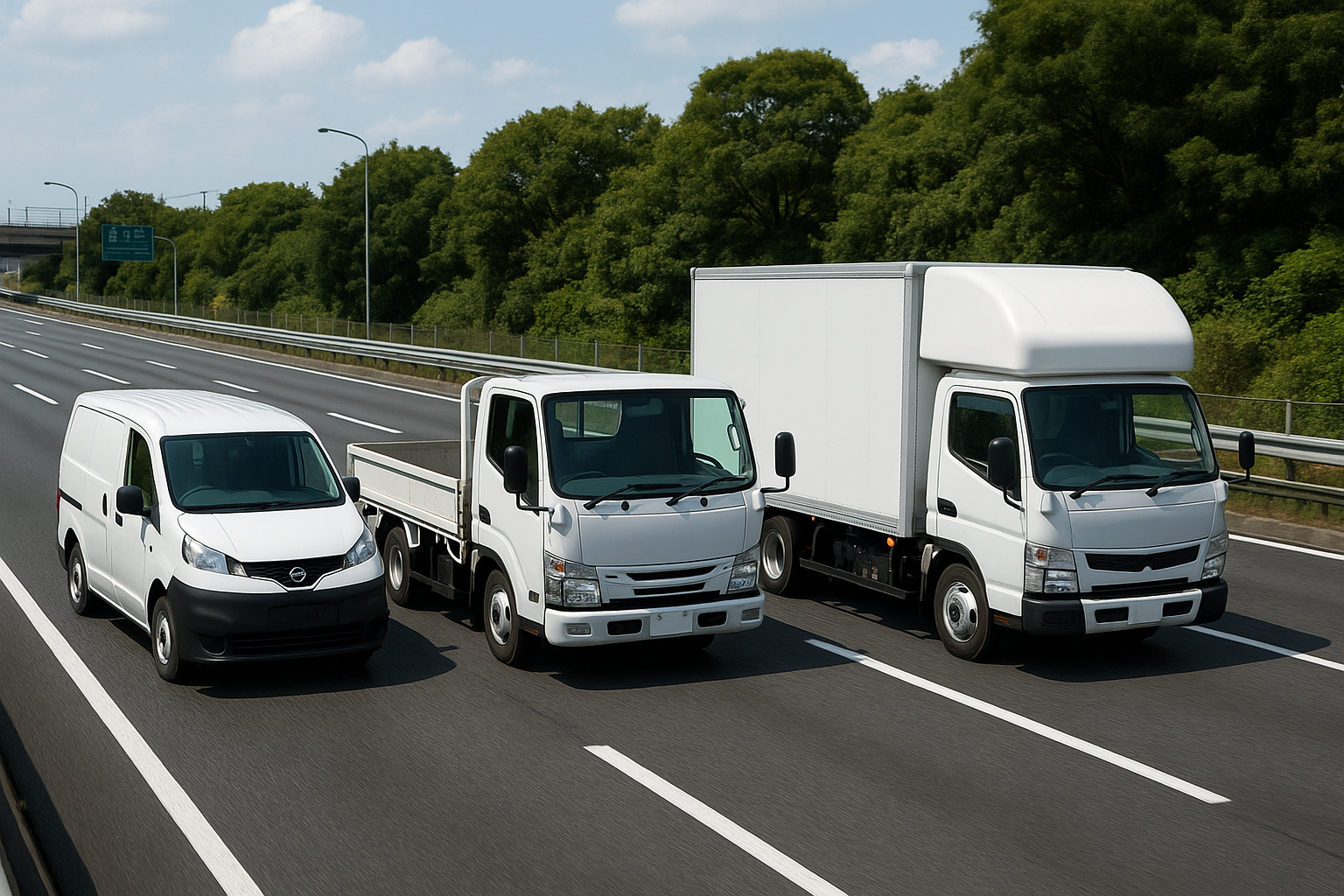

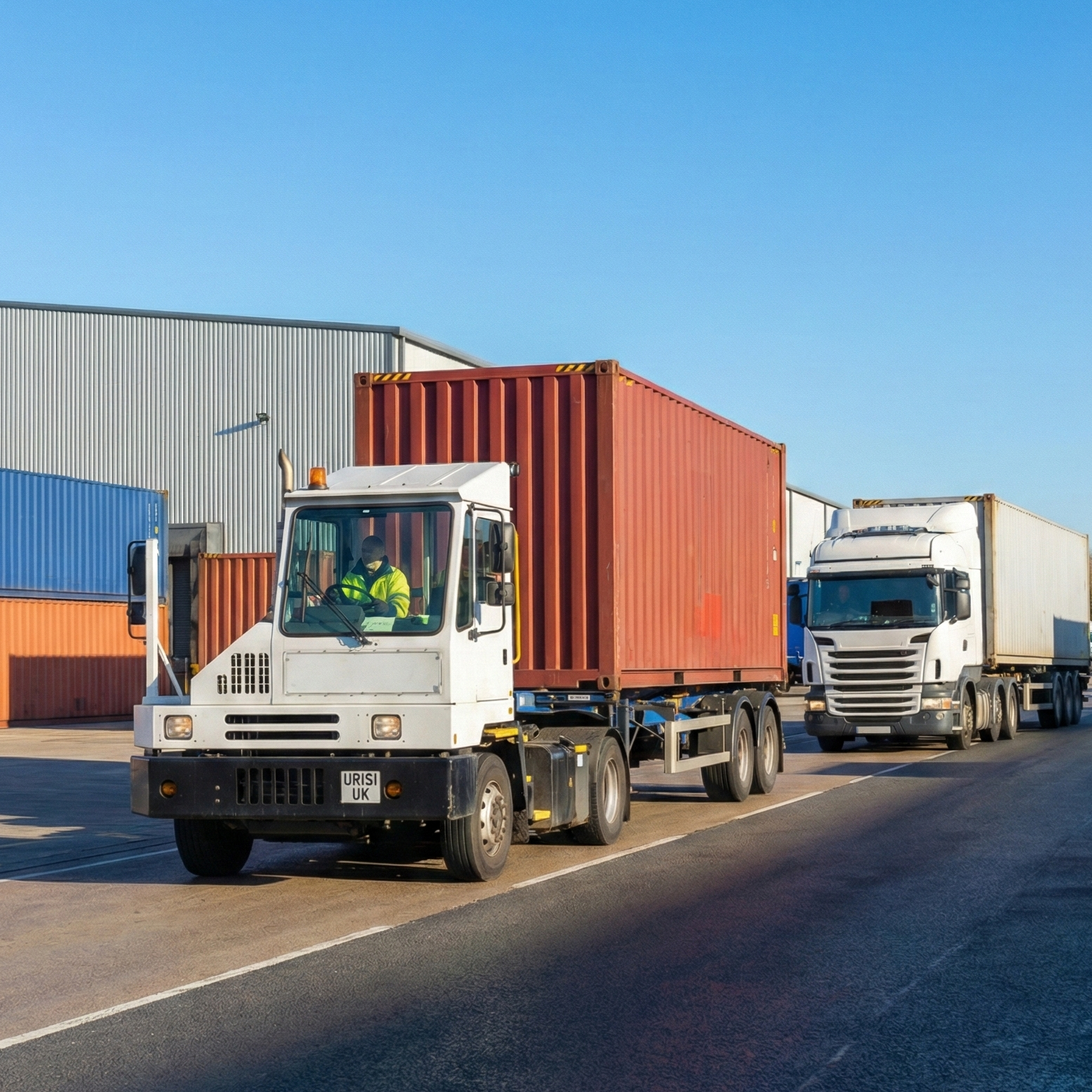
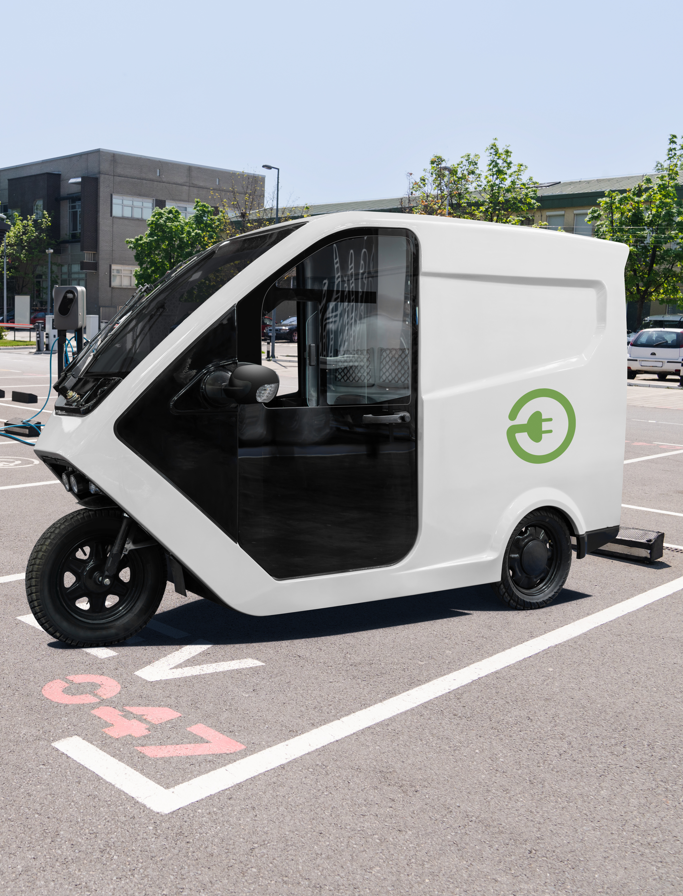
Depot operations /Yard movements
Urban mobility
Public Transportation
Middle Miles / Hub-to-hub repeat routes

Whatever it is, the way you tell your story online can make all the difference.
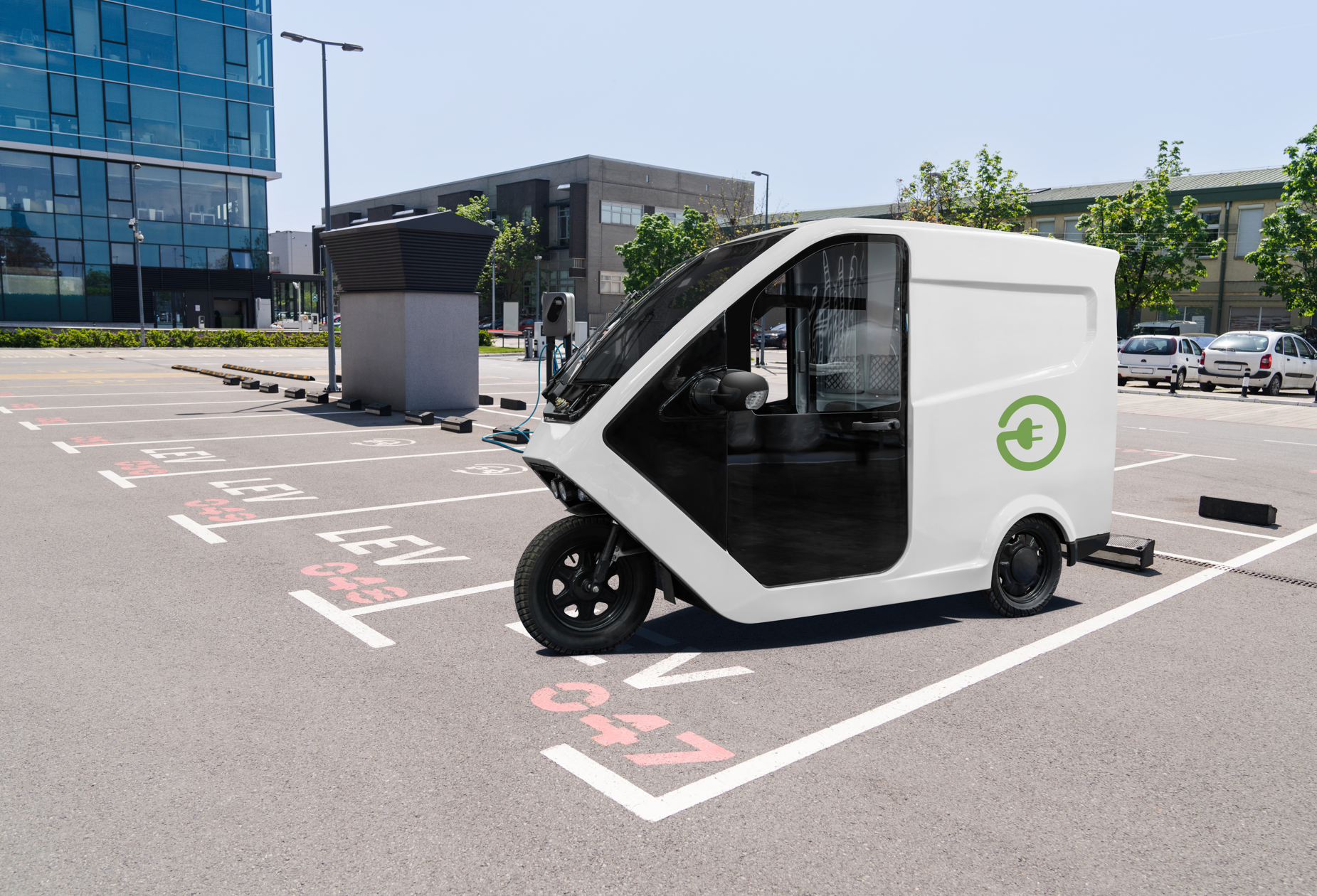
Urban Mobility
Bring practical autonomy to compact city fleets and next-generation mobility services.
Cities need cleaner, smarter, and more flexible transport systems, but most urban fleets still rely on conventional vehicle platforms and labour-intensive operations.
DriverAgent offers a practical path to automation for urban mobility operators by upgrading existing or compact fleet vehicles with robotic driving capability. This creates opportunities for low-speed, repeatable, and operationally controlled services where automation can improve utilisation, reduce operating pressure, and unlock new service models.
Best fit examples
Compact fleet vehicles, city logistics fleets, urban service vehicles, low-speed mobility platforms, and future shared-mobility operations.
Partner types
Urban mobility operators, smart-city programmes, vehicle innovators, and municipal innovation partners.
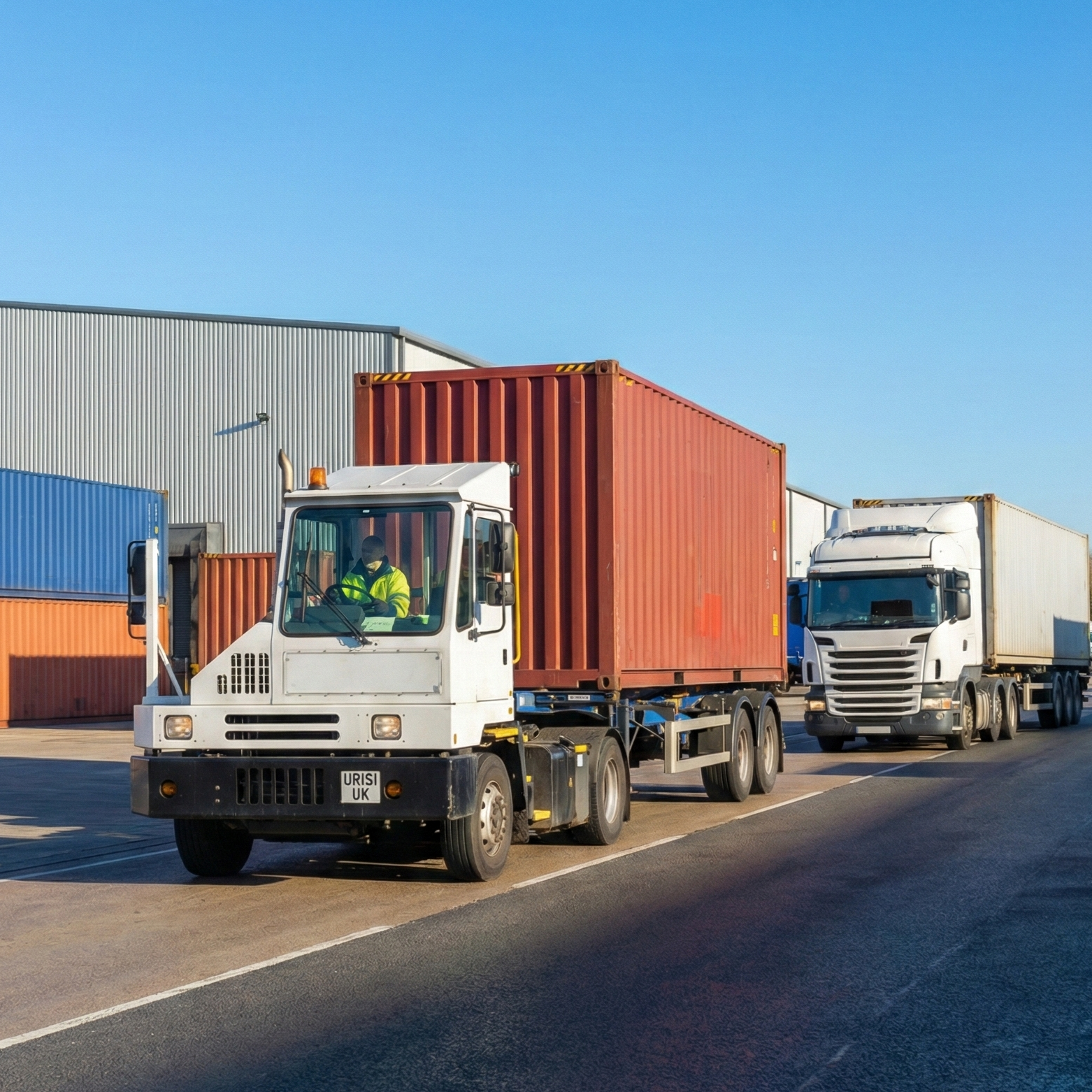
Depot Operations / Yard Movements
Start where autonomy is easiest to prove and quickest to deliver operational value.
Depots, yards, and private logistics sites are some of the most practical starting points for robotic driving. Routes are more predictable, speeds are lower, and the return on automation can often be measured more clearly.
DriverAgent is well suited to vehicle movements in controlled operational environments, helping partners explore automation in areas such as repositioning, shunting, staging, and repeat internal movements. These settings also create a strong foundation for collecting real operational data and building confidence for broader deployment.
Best fit examples
Distribution centres, logistics depots, private industrial sites, container yards, and fleet staging areas.
Partner types
Fleet operators, warehouse and logistics groups, industrial site operators, and yard-automation partners.
Middle Mile / Hub-to-Hub Repeat Routes
Automate repeatable logistics flows between known locations.
Many freight and logistics operations depend on repeat movements between fixed sites, hubs, and transfer points. These routes are operationally important, often labour-intensive, and well-suited to staged automation because the journey patterns are more structured than open-ended public-road driving.
DriverAgent can support partners exploring autonomy in repeat-route operations where consistency, utilisation, and route familiarity matter. By starting with controlled or semi-structured logistics pathways, partners can build a realistic bridge from today’s operations toward broader autonomous transport capability.
Best fit examples
Hub-to-hub transfers, depot-to-depot movements, fixed industrial logistics routes, and predictable short-to-medium distance fleet corridors.
Partner types
Logistics providers, distribution networks, fleet owners, and operators with structured repeat-route movements.
Public Transportation
Support the future of transit through staged autonomy and operational collaboration.
Public transportation is under pressure to improve service efficiency, reduce labour constraints, and modernise ageing fleet operations. But transit systems also require high confidence, strong safety discipline, and a realistic deployment pathway.
We see public transportation as an important long-term partnership area, especially where routes are repeatable, operating environments are structured, and deployment can begin in controlled settings such as depots, dedicated corridors, private campuses, or supervised service models.
DriverAgent gives transit partners a way to explore practical robotic driving without waiting for entirely new autonomous vehicle platforms.
Best fit examples
Shuttle services, depot-based bus operations, fixed-route support vehicles, campus transport, airport loops, and future transit automation pilots.
Partner types
Transit operators, shuttle providers, municipalities, transport authorities, and innovation-led public mobility programmes.