LANGUAGE
VISION
ACTION
DriverAgent combines multi-camera perception, world-model intelligence, and robotic vehicle control to operate real vehicles in the physical world.
A New Era of Robotic Driving, Powered by Embodied AI
Technology overview
A full-stack robotic driving system
DriverAgent brings together three core layers in one deployable platform: perception, decision intelligence, and robotic actuation.
First, the system watches the driving environment through a multi-camera setup. Then it builds a live understanding of the scene and predicts what is likely to happen next. Finally, it turns those decisions into real driving actions through robotic control of the steering wheel, pedals, and gear system.
This combination is what makes Osmosis AI different. DriverAgent is not only designed to understand driving conditions. It is designed to physically drive the vehicle itself.
-
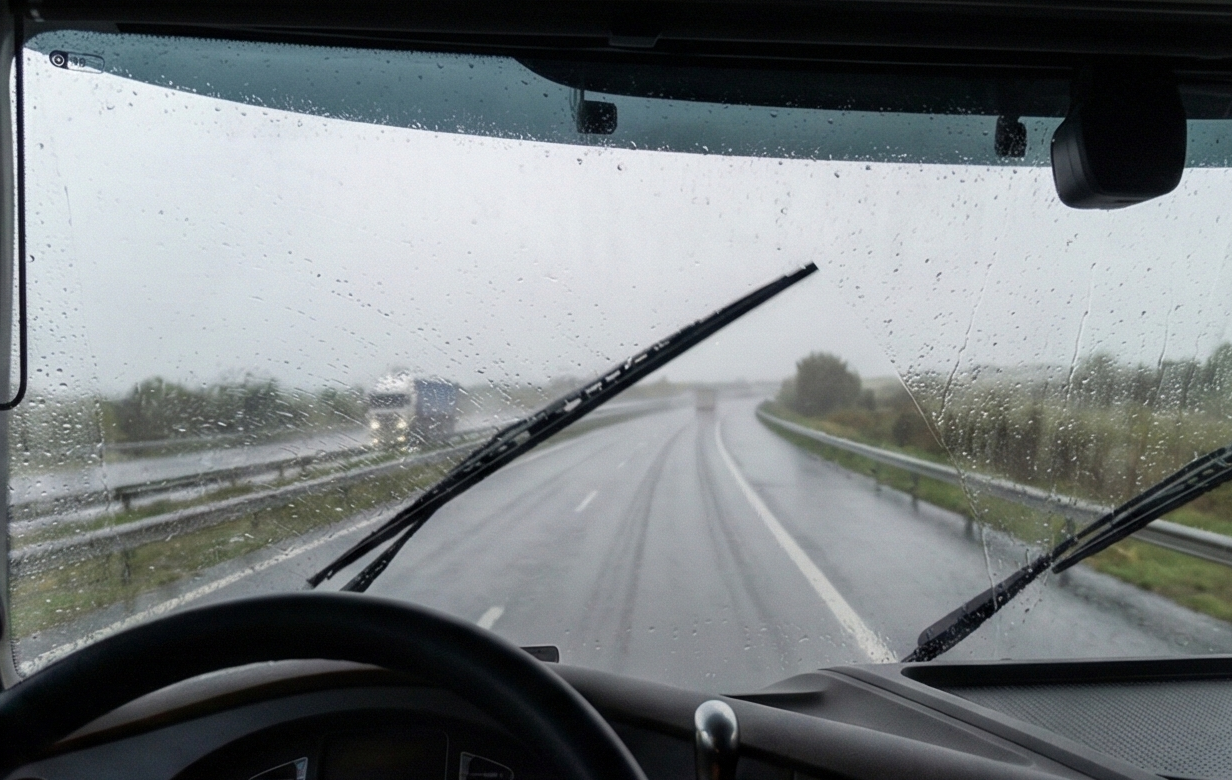
Perception is the foundation of safe and intelligent driving.
-
System 1 reacts fast. System 2 reasons deeper. Together they create a more natural driving flow.
-
Software decides. Robotics executes.
-
This creates an iterative development cycle where the system becomes stronger not only from simulation and engineering, but from real operating experience.
Perception
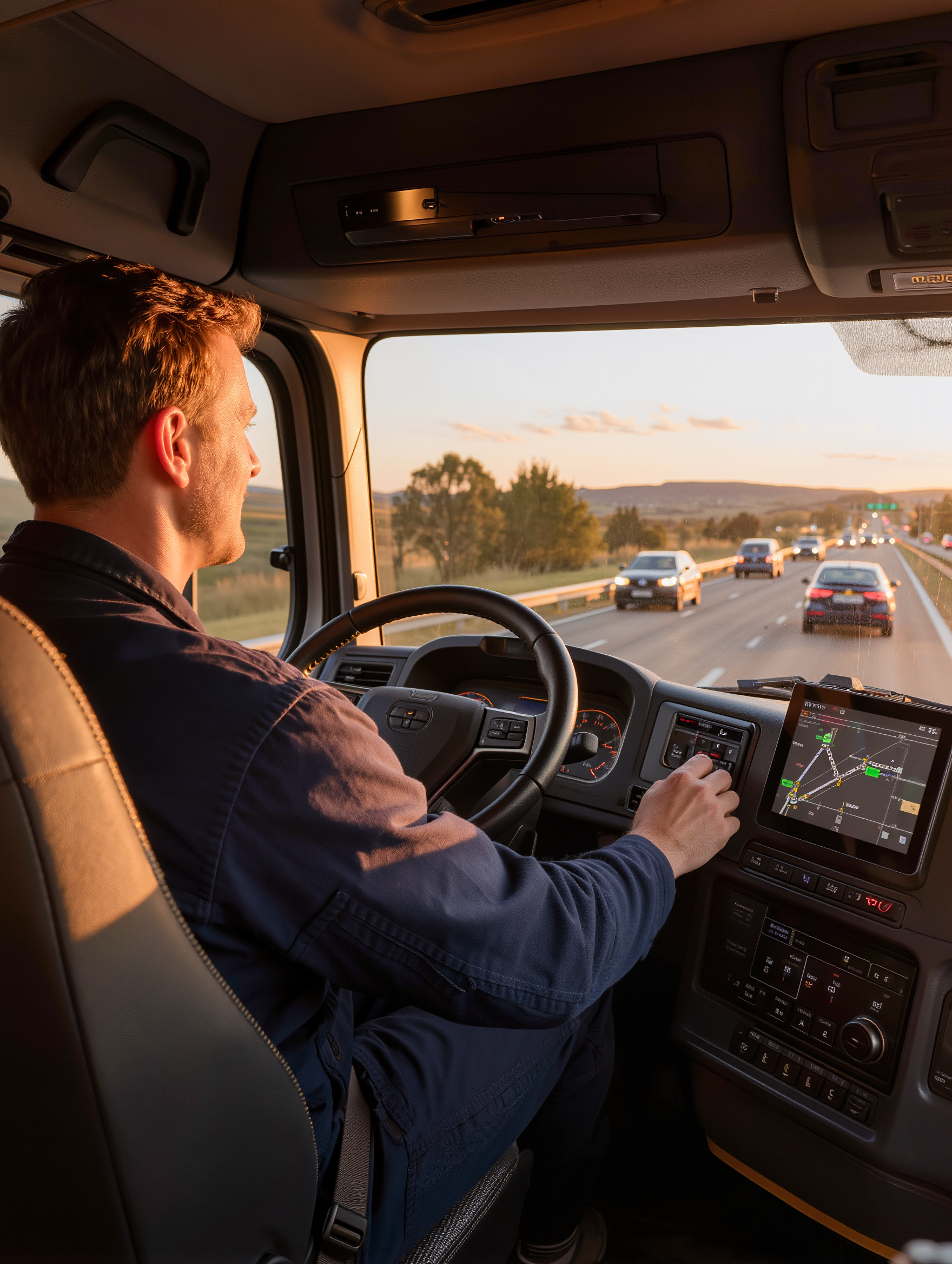
Seeing the vehicle’s world in real time
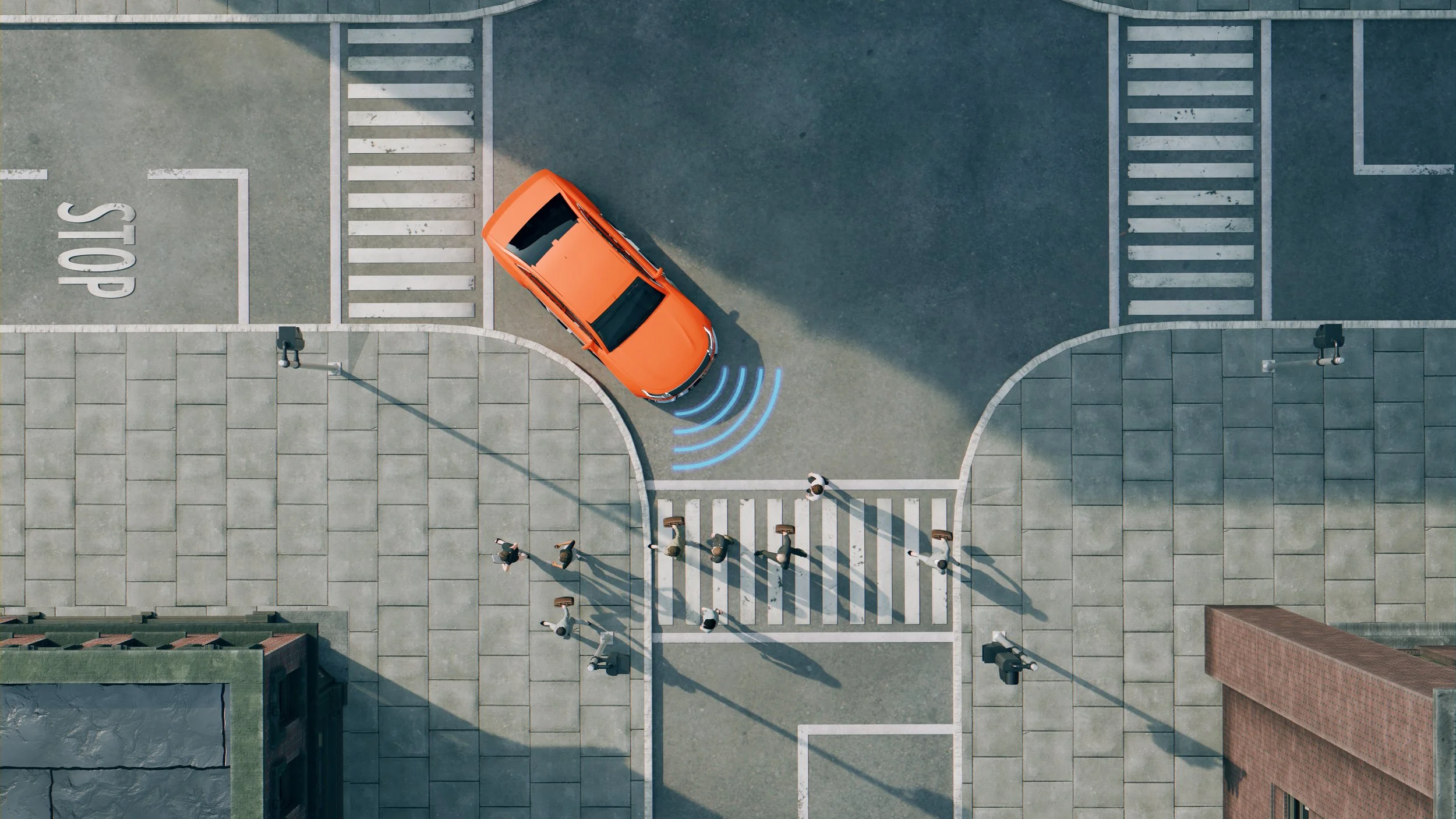
DriverAgent uses a multi-camera vision system to capture continuous views around the vehicle. This gives the driving stack the visual context needed to understand lanes, boundaries, obstacles, moving objects, traffic flow, and operating conditions.
By relying on a strong visual understanding of the environment, the system can build a rich picture of what is happening around the vehicle and respond to changing situations as they unfold.
World model intelligence
Human drivers do not handle every situation in the same way. DriverAgent is designed around this same principle.
Its fast system handles immediate driving responses in routine situations. Its slow system uses world-model intelligence to interpret more complex scenes, anticipate what may happen next, and choose safer actions when more reasoning is needed.
By combining these two layers, DriverAgent is built to drive in a more human-like way: react quickly when the answer is obvious, and think more carefully when the situation is uncertain.
System 1 End to End
In simple and familiar moments, we react quickly. We stay in lane, adjust speed, follow the flow, and respond almost instantly to small changes around us. This is the fast layer of driving.

System 2 Vision Language Action
But when the road becomes uncertain, unusual, or complex, human drivers switch to a slower mode of thinking. We pay more attention, read the context, predict what others may do, and make a more deliberate decision. This is the slow layer of driving.
Robotic actuation
Physical AI that can actually drive the vehicle
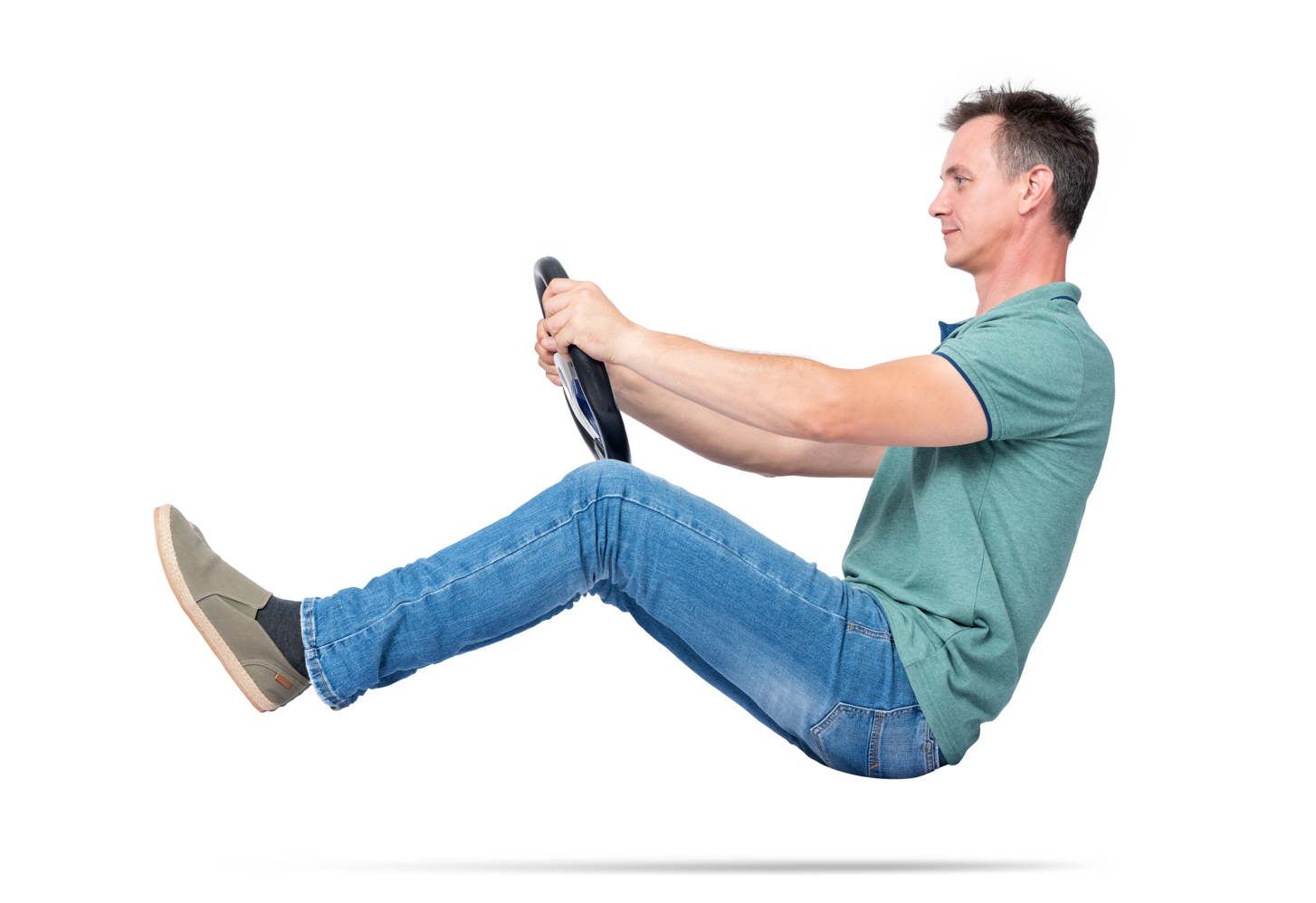
DriverAgent does not depend only on digital instructions inside a vehicle software stack. It uses robotic hardware to physically control steering, braking, acceleration, and gear selection.
This is a core part of our approach. By combining AI decision-making with robotic vehicle control, we create a system that can be installed into existing vehicles and operate them directly.
That makes DriverAgent especially suited to fleets that need a practical upgrade path without waiting for entirely new autonomous vehicle platforms.
[ world model training]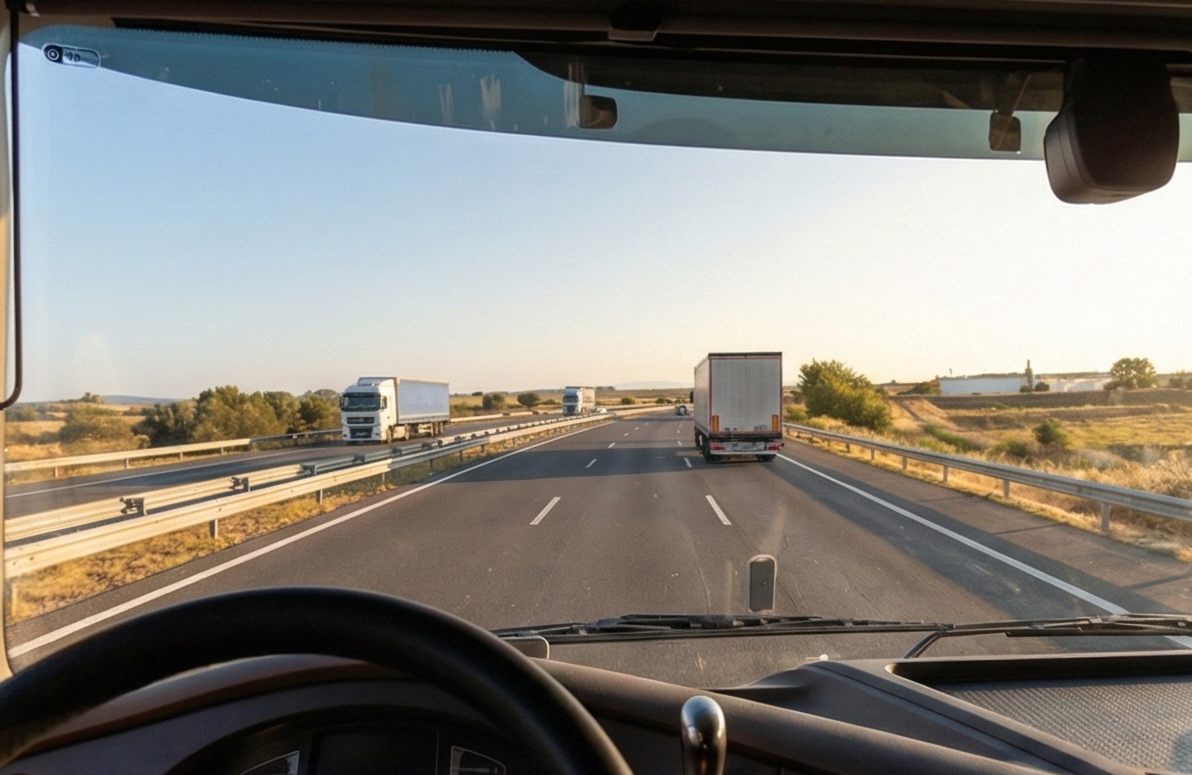
Learning and improvement
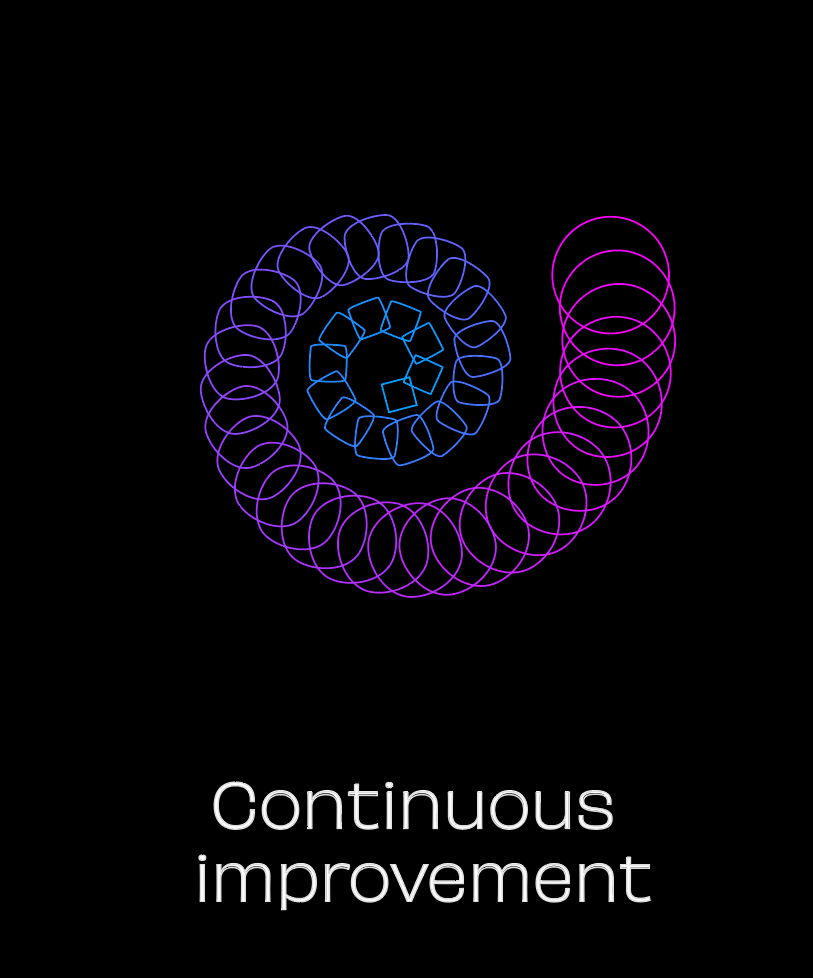
DriverAgent is designed to improve through continuous learning. Data collected from testing and deployment can be replayed, analysed, and used to strengthen model performance, validate behaviour, and improve future software releases.
This creates an iterative development cycle where the system becomes stronger not only from simulation and engineering, but from real operating experience.
For fleet autonomy, this matters. Real-world deployment produces the edge cases, operational patterns, and scenario data that help close the gap between prototype performance and dependable operation.
Safety and system discipline
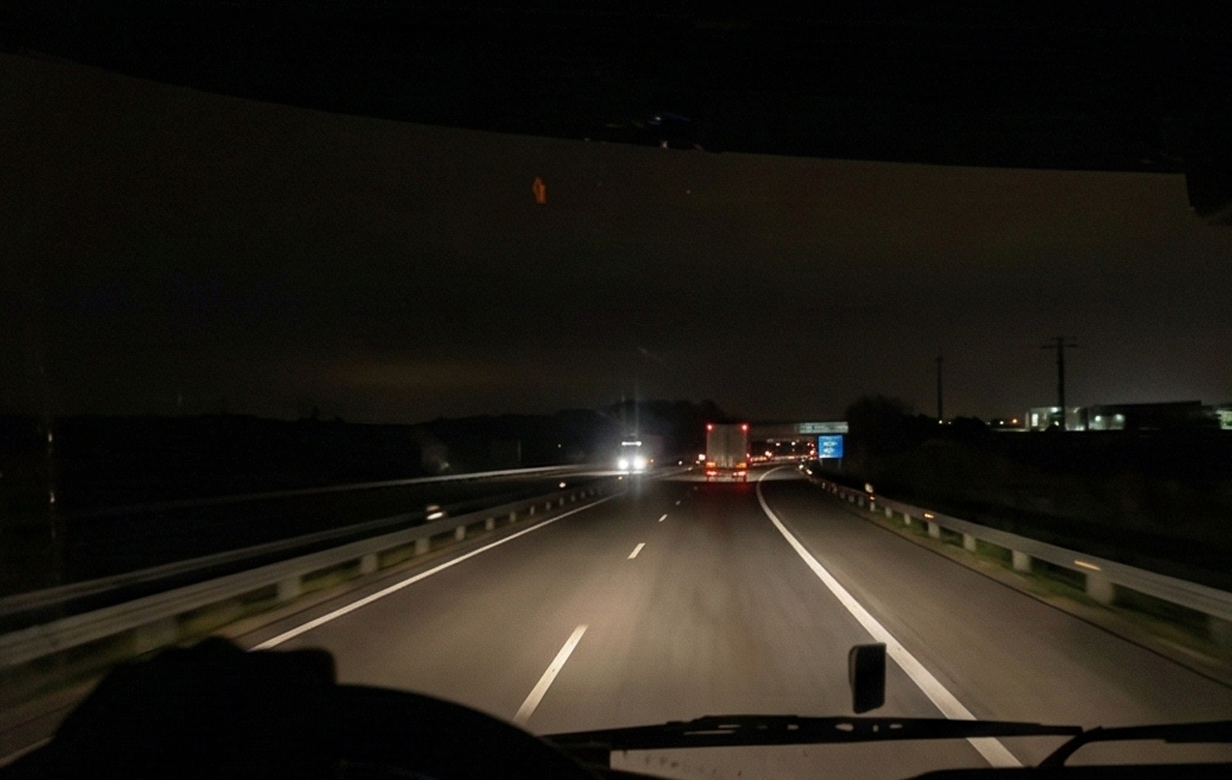
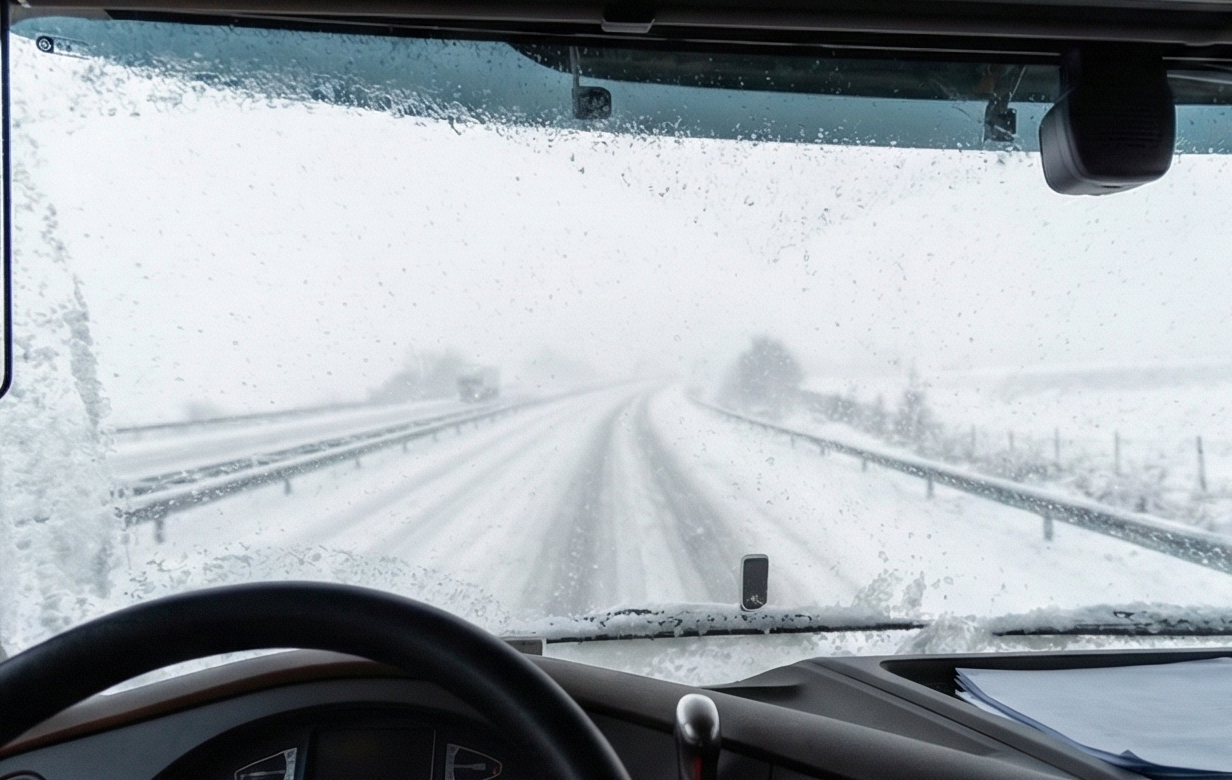
Autonomous driving is a system challenge, not just a model challenge. DriverAgent is being developed with a practical deployment mindset that includes controlled operating domains, staged validation, system monitoring, fallback behaviour, and human oversight where required.
Built with operational control in mind
Why this approach matters
Most of the world’s fleet vehicles already exist. They are working assets with real economic value, real routes, and real operational constraints.
DriverAgent is built for that reality.
By combining world-model intelligence with robotic vehicle control, Osmosis AI offers a different path from conventional autonomous vehicle development: one that starts with existing vehicles, controlled deployments, and step-by-step commercial use cases.
This is how we believe autonomy becomes practical, scalable, and economically relevant sooner.
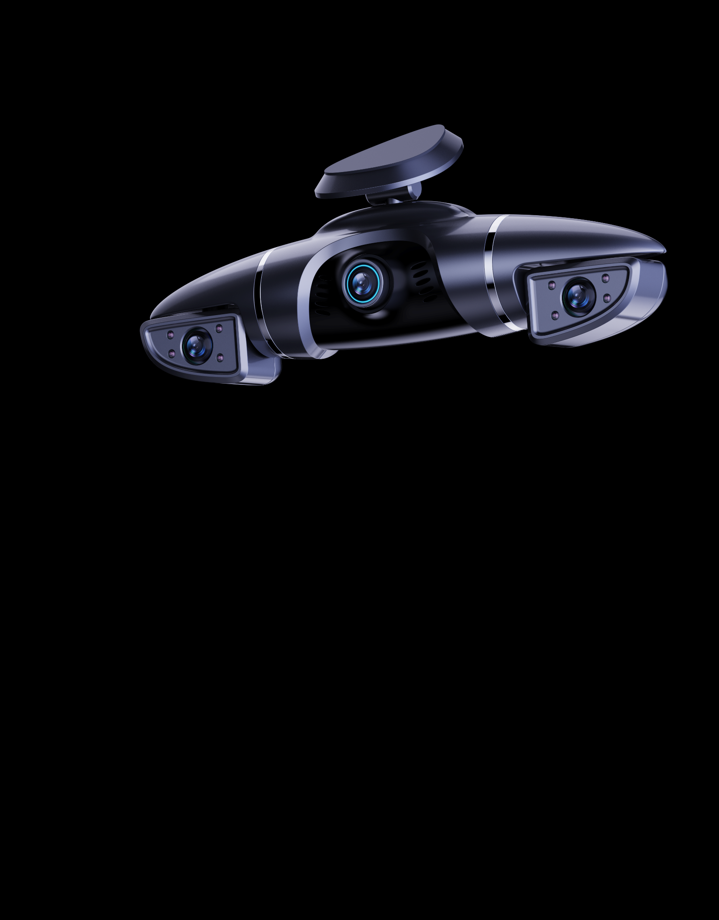
Multi-camera perception
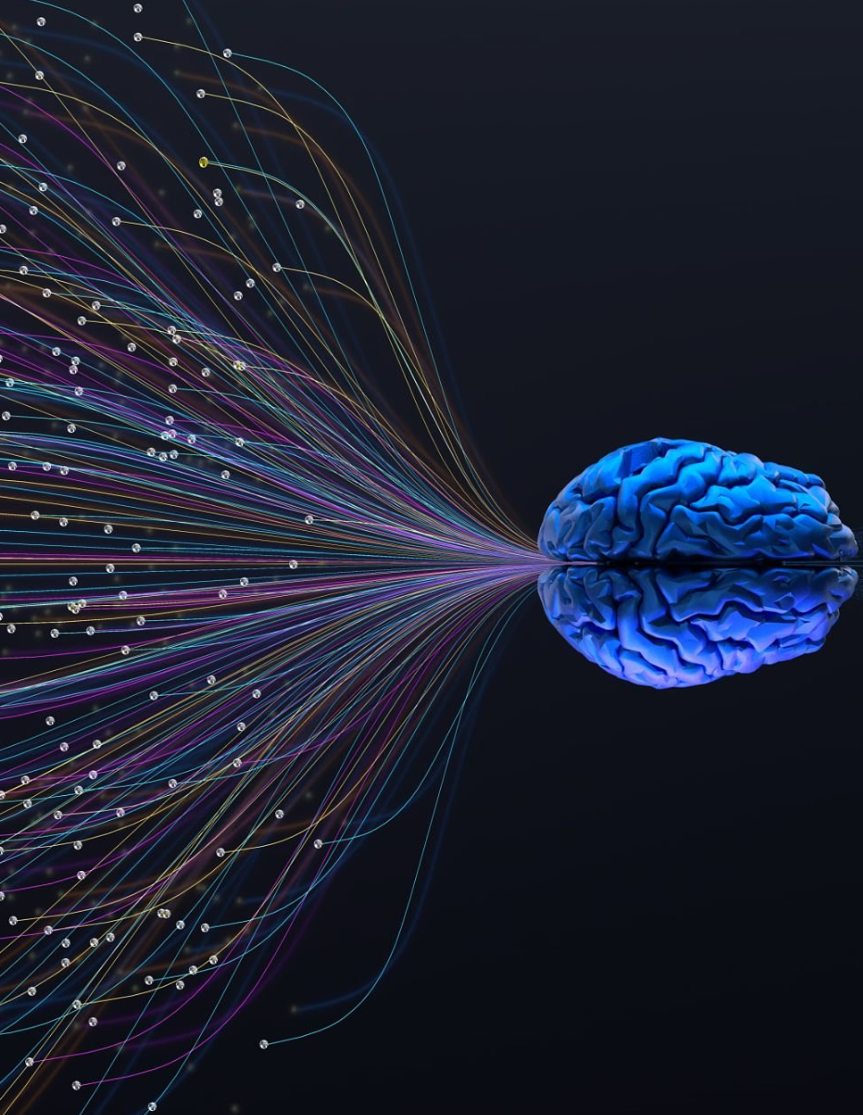
World-model intelligence
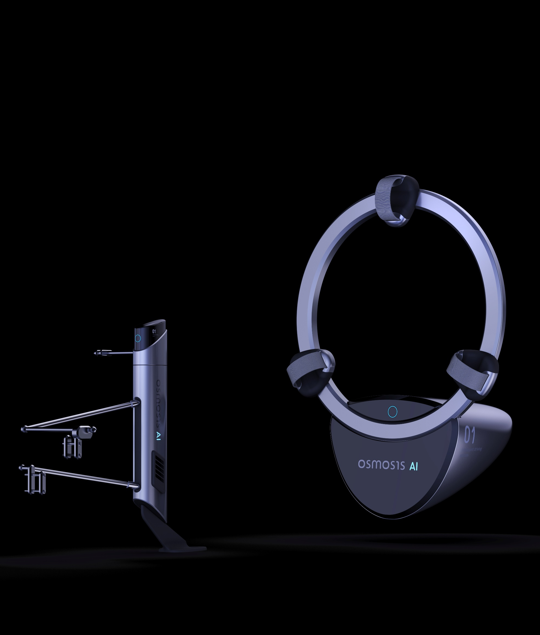
Robotic actuation